
Table of Contents:
Welcome to the Moast newsletter. We spend the week collecting news, trends, and other content that we think would be interesting to e-commerce founders and CMOs. Our goal is to provide value without sounding like a promo for our app. Helpful wether you use Moast or not.
An OpenAI agent researching healthcare spending broke into an Australian government portal, and nobody told the government for three months. It accessed both public and non-public Medicare files, in what looks like the first known case of an AI agent hacking a government network. OpenAI says its models "took actions we did not intend." Worth a thought before you hand an agent the keys to anything.
Here's what caught our attention in the world of e-commerce this week 👇
1/ DTC Headlines
Meta launched $1,299 VR glasses and an AI keychain
-> The VR Glasses weigh 100 grams, a fifth of a Quest 3, and ship spring 2027.
-> Muse Charm is a pocket device for talking to your agent without unlocking a phone. December ship target, no price yet.
-> Muse now works with Walmart and Instacart. Meta is building hardware around the agent.
Everything Meta announced at Connect →
Amazon is trying to rehire the people it laid off
-> Recruiters are emailing former staff about AI and cloud roles, under something called "Swami's Boomerang Reengagement Initiative."
-> Amazon has cut more than 30,000 corporate jobs in the past year.
-> Boomerangs were 35% of US new hires in March 2025. The AI talent war beats the org chart.
Inside Amazon's boomerang push →
Amazon blocked Meta's Muse from shopping on its site
-> Amazon says Meta never told it Muse would access the store, and that the agent doesn't identify itself while browsing.
-> Shoppers now get a popup saying unauthorized agent access violates Amazon's terms.
-> It follows similar blocks on Perplexity, OpenAI and Google. The fight is over who owns the customer.
Consumer prices are up 30% since 2019
-> That's roughly 2.5 times the total price growth of the entire 2012 to 2019 period.
-> Beef is up 98% since 2012, rent 74%, dining out 69%, car insurance 124%.
-> Inflation has cooled to 3.4%, but the compounding is what shoppers feel at checkout.
On wants to nearly double sales by 2029. Analysts aren't sold
-> The brand targets 5.6 billion Swiss francs ($6.8B) by 2029, plus a $1 billion buyback.
-> Growth has decelerated from 36% to 13% over six quarters, and Jefferies called the targets a raised hurdle.
-> Soccer and golf are the new bets. Big ambitions in a "far more challenging" market.
You can now buy Coach and Kate Spade inside Gemini
-> Tapestry made both brands purchasable directly in Google Search, AI Mode, and the Gemini app.
-> Checkout happens in a few taps with Google Pay, no redirect, with approval required on every transaction.
-> It runs on the Universal Commerce Protocol, and Tapestry says it gets the same customer data as its own site.
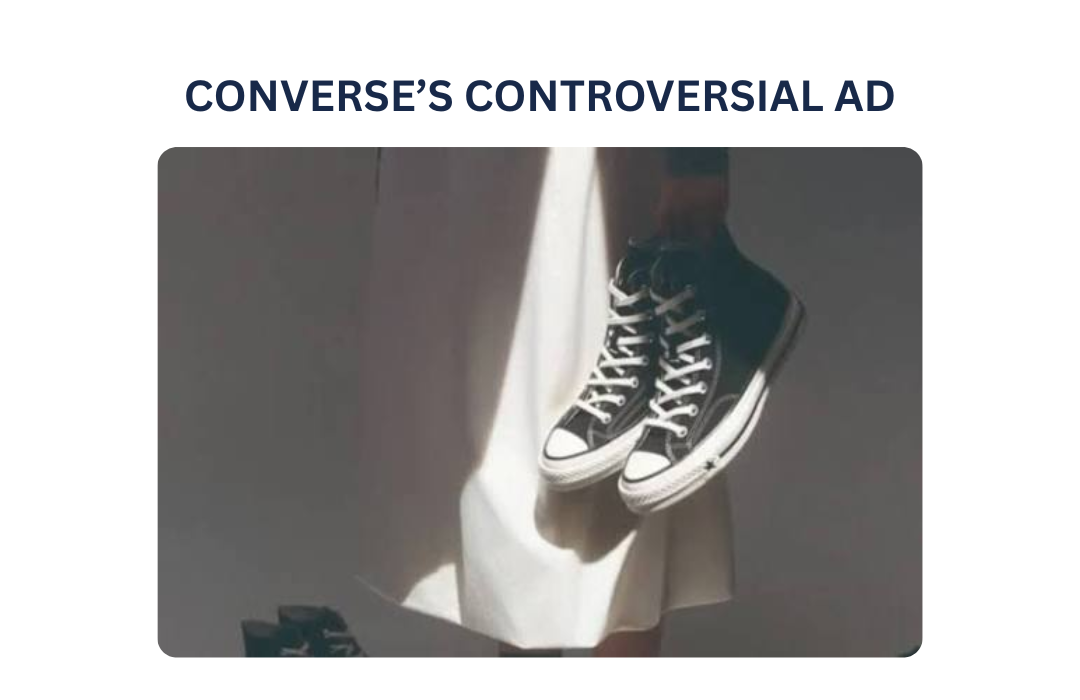
Converse pulled an ad after a KKK and lynching backlash
-> The Chuck 70 X campaign with K-pop singer Karina drew criticism that lighting on a white skirt resembled a Klan hood and the dangling sneakers evoked a lynching.
-> Converse apologized, saying it got this wrong and will do better. Its CEO is bringing in a third party to review creative processes.
-> The recurring question from critics: how did it clear legal, marketing and leadership?
2/ Shopify
Shopify did the opposite of Amazon: Shop Pay is now a wallet inside Muse
-> Muse can browse Shopify stores and check out through Shop Pay, across every store on the platform.
-> Products already flow to Meta by default through Shopify Catalog. Direct checkout is on for eligible stores.
-> You can switch it off under Sales channels, then Agentic. Worth deciding on purpose rather than by default.
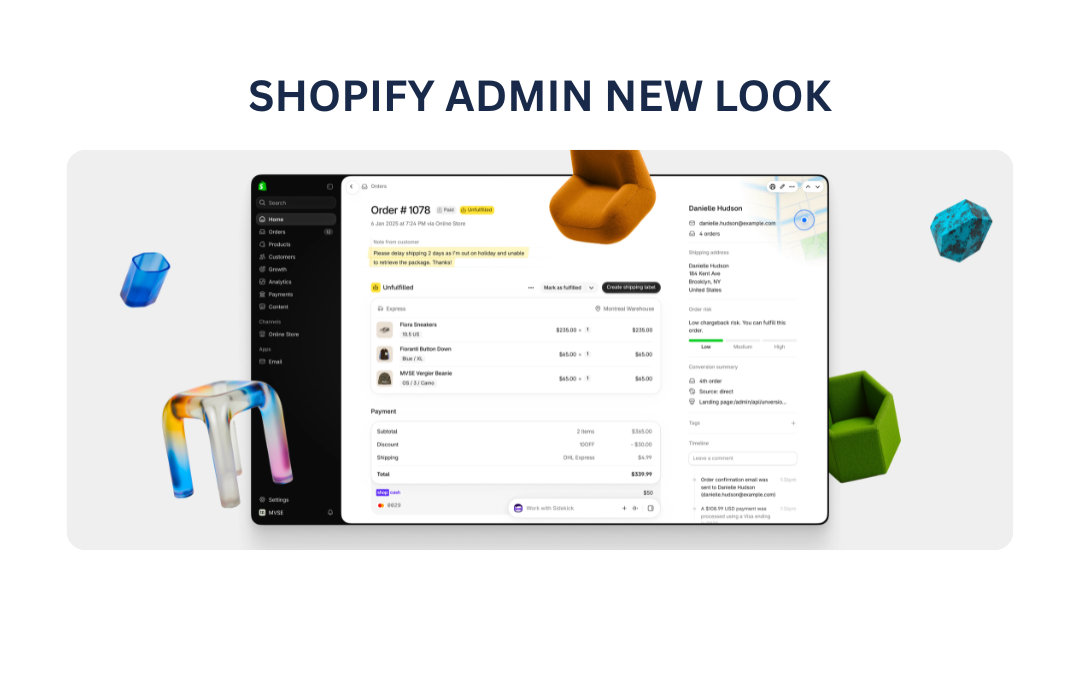
The Shopify admin has a new look
-> New color, type, spacing and icons across every page, rolling out gradually since September 15.
-> Search, notifications and the store picker moved into a collapsible side nav.
-> Sidekick is now a floating chat at the bottom of every page. No setup needed, it just arrives.
3/ What We Found Interesting
Shoppers want AI to advise, not to buy
-> Only 7% of fashion shoppers would let an AI assistant purchase without approval, per ACI Worldwide's survey of 3,300+ consumers.
-> 53% are outright uncomfortable with it, and 14% want manual approval every time.
-> What they do want: price drop alerts and cross-retailer comparisons. AI as editor, not buyer.
The six social trends worth knowing this month
-> "Kinda chic" romanticizes the mundane and has passed 100k Instagram hashtags, picked up by Reese Witherspoon and Drew Barrymore.
-> Also on the list: a Cat in the Hat figure spotted prowling English streets, spawning fake meet and greets in the woods.
-> Low-production formats keep beating polished ads. Pick one and try it this week.
4/ What We Found Helpful
How to use UGC video to boost Shopify sales
-> Our new guide covers where customer video belongs across your store, and why it converts.
-> Practical placements for PDPs, landing pages and collections.
-> Built for Shopify stores of any size. Start before the Q4 traffic arrives.
Marketing budgets are shifting toward AI and cashback tools
-> 79% of 150 senior commerce decision-makers expect their primary customer base to be using AI tools in 2027.
-> 81% named cashback and savings tools the most helpful marketing format for driving purchase decisions.
-> Finding better deals is still the number one reason shoppers reach for AI. Plan your Q4 spend accordingly.
Related content
Turn your social content into a revenue channel
Turn your TikToks and Reels into shoppable videos and boost conversions by 3.5x.


.jpg)